


Selecting the right influencers for a marketing campaign is crucial for its success. The first step in understanding influencer selection is to define your target audience and the goals of your campaign. Once you have a clear understanding of who you are trying to reach and what you want to achieve, you can start looking for influencers who align with your brand values and have a strong following within that target audience. By carefully selecting influencers who are a good fit for your brand and goals, you can create authentic and effective campaigns that resonate with your target audience.
Definition of Influencer Marketing
As we dive deeper into the world of influencer marketing, it’s important to clarify what we mean by it. Influencer marketing is a strategy that leverages the reach and influence of individuals who have built a following on social media or other platforms. These influencers create content that resonates with their audience, promoting products or services in a way that feels authentic and engaging.
In simpler terms, imagine a friend who’s constantly sharing their favorite skincare products on Instagram— this is influencer marketing in action! Brands utilize these relationships to tap into the influencer’s audience, ultimately aiming to enhance their own visibility and drive sales.
Role of Influencers in Brand Promotion
Influencers play a pivotal role in brand promotion, creating a bridge between the brand and potential customers. Having worked in marketing, I’ve seen firsthand how an influencer’s endorsement can significantly impact consumer behavior. Here are a few key roles they serve:
- Brand Awareness: Influencers introduce a brand to their followers, creating awareness that might not have been achieved through traditional advertising.
- Trust Building: When followers see a person they admire using a product, it builds trust. For example, if a fitness influencer showcases a new workout supplement, their audience is more likely to try it because they trust the influencer’s opinion.
- Engagement: Influencers often create captivating content that encourages audience interaction, such as comments and shares, increasing the brand’s reach.
By effectively utilizing influencers, brands can amplify their message, foster community connections, and see tangible results in their marketing efforts.
Identifying the Right Influencers
Now that we understand the importance of influencers, let’s talk about identifying the right ones for your brand. The first step is conducting an audience analysis. This ensures that the influencer’s followers align with your target market, which is crucial for successful campaigns.
When I was working on a recent campaign for a vegan snack brand, we found out that working with health and wellness influencers was key. Here’s how you can conduct your audience analysis:
- Demographics: Look at age, gender, and location. An influencer with a young female audience would be ideal for a fashion brand targeting millennials.
- Interests: Check what topics their followers are engaged with. Are they primarily focusing on fitness, beauty, or technology? If their interests align with your products, it’s a good match.
- Follower Engagement: High engagement rates often indicate a loyal following. This signifies that the audience values the influencer’s opinions.
Content Relevance Assessment
Once you’ve analyzed the audience, the next important step is assessing the content relevance. This ensures that the influencer’s style and messaging complement your brand’s image.
In my experience, I’ve seen brands fail because they didn’t consider this aspect. Here’s what to evaluate:
- Content Type: Determine if the influencer primarily creates video, pictures, or written content, and see if it matches your campaign needs.
- Brand Values: Review the influencer’s previous collaborations. Are they ethically aligned with your brand? Authenticity matters!
- Engagement Style: Consider how the influencer interacts with their audience—do they answer questions or create discussions? This can enhance brand perception.
By carefully analyzing both the audience and content relevance, you’ll be well on your way to identifying the right influencers, setting the stage for a successful partnership.
Evaluating Influencer Credibility
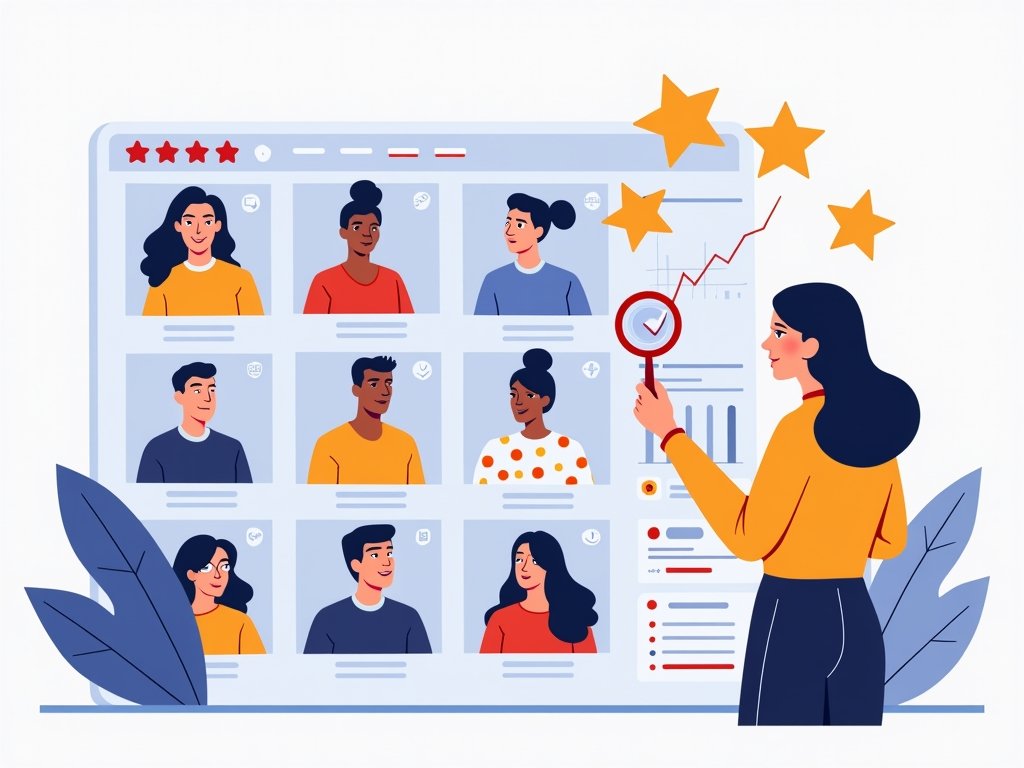
After identifying potential influencers, it’s crucial to evaluate their credibility. One of the first things to check is fake follower detection. Unfortunately, not all follower counts are legitimate, and fraudulent accounts can inflate an influencer’s metrics. During one of my past projects, I learned this lesson the hard way.
Here’s how to spot fake followers:
- Follower-to-Engagement Ratio: A high follower count with low engagement rates often indicates purchased followers. For example, if an influencer has 100k followers but only 200 likes on a post, it raises a red flag.
- Sudden Follower Spikes: Keep an eye out for influencers with their follower count rapidly increasing after one post. This can be a sign of buying followers.
- Ghost Followers: Tools like Socialblade or HypeAuditor can help analyze an influencer’s audience for authenticity. These platforms provide insights on follower growth trends and engagement rates.
Engagements and Authenticity Check
Once you’ve assessed their follower authenticity, the next step is to evaluate engagements and perform an authenticity check. Genuine engagement is more valuable than a high follower count.
Here are some strategies that can help:
- Comments and Conversations: Take a closer look at the comments. Are followers asking questions or sharing thoughtful responses? Authentic engagement typically leads to lively discussions.
- Quality of Engagement: Sometimes, “likes” don’t tell the whole story. Actual comments that show interest in the content are a better indicator of engaged followers.
- Brand Fit: Lastly, ensure the influencer has consistently aligned with similar brands and values. Look for past collaborations to see how they’ve represented those brands.
By diligently checking these factors, you’ll not only ensure that you are choosing credible influencers but also set a strong foundation for a successful collaboration.
Negotiating with Influencers
Negotiating with influencers can be a delicate process that requires both parties to communicate effectively and understand each other’s needs. It’s important to establish clear expectations from the start, including the scope of work, deliverables, and compensation. When negotiating with influencers, it’s crucial to be transparent about your budget, as well as any additional perks or benefits you can offer, such as free products, exclusive promotions, or long-term partnerships.
Pricing Models and ROI
Once you’ve identified credible influencers, the next step is negotiating your partnership. Understanding pricing models is crucial here. Influencers often use different approaches for payment, and being aware of these can help you create a fair proposal. Based on my experience, I’ve found that many influencers employ several pricing structures, including:
- Flat Fees: A fixed amount for a specific post or campaign, usually varying based on follower count and engagement. This is the most popular and the simplest method.
- Affiliate Marketing: Some influencers may prefer to promote your product in exchange for a commission on sales generated through their links. This model aligns their interests directly with your sales goals.
When negotiating, it’s essential to consider the return on investment (ROI) as well. Keep in mind what metrics you will use to measure success, such as:
- Increased brand awareness
- Social media engagement
- Website traffic and conversion rates
Establishing Clear Expectations
Once you have the pricing sorted, the next step is establishing clear expectations. This phase is essential, as it sets the groundwork for a successful collaboration and helps avoid miscommunication later.
Here are a few tips to consider:
- Content Guidelines: Be clear about what type of content you expect. Should they include specific hashtags, or portray the product a certain way?
- Timeline: Set deadlines for deliverables. When will posts go live? Make sure both parties agree on a timeline.
- Performance Metrics: Discuss how you both will evaluate the campaign’s success. Will you track engagement rates or conversions? Establishing this upfront can help validate the partnership’s effectiveness.
By carefully negotiating pricing models and thoroughly defining expectations, you’ll create a partnership that benefits both your brand and the influencer. A well-structured collaboration can lead to both parties reaping the rewards of a successful campaign!
Campaign Planning and Execution

Now that you have negotiated terms and set clear expectations, it’s time to dive into the nitty-gritty of campaign planning and execution. This phase is where your strategy comes to life! During a recent campaign for my own small business, I learned that thorough planning is key to ensuring everything runs smoothly.
Here are some essential components to consider during campaign planning:
- Campaign Goals: Clearly define what you want to achieve—whether it’s brand awareness, lead generation, or boosting sales. This will guide the entire campaign.
- Creative Direction: Collaborate with the influencer on content ideas. If they have the creative freedom to showcase your product in their style, it resonates better with their audience.
- Content Calendar: Set a timeline for when each piece of content will be produced and published. A simple calendar can help keep everyone on track and aligned.
Once the planning is done, executing the campaign becomes easier when you have a clear plan in place. Monitor the progress and stay in touch with the influencer to make adjustments if needed.
Building Long-Term Partnerships
As the campaign unfolds, think ahead about building long-term partnerships. I’ve found that brands benefit immensely from sustained collaborations with influencers, as these relationships can create a sense of trust and authenticity over time.
To foster these long-term relationships, consider the following strategies:
- Feedback Loop: After the campaign, share performance insights with the influencer and ask for their thoughts on what worked and what didn’t. This shows you value their input.
- Consistent Communication: Stay in touch even after the campaign. Regular check-ins can pave the way for future collaborations.
- Incentives for Loyalty: Consider perks for ongoing partnerships, such as exclusive products or higher commission rates for recurring promotions.
By focusing on effective campaign execution and nurturing long-term partnerships, you’ll not only see better results in the short term, but you’ll also create a valuable network of influencers who can grow with your brand.
Measuring Influencer Campaign Success

With your influencer campaign successfully executed and relationships fostered, the next step is measuring its success. This is where Key Performance Indicators (KPIs) come into play, providing insights into how well your efforts translated into results. From my experience, having a clear set of KPIs not only helps gauge the effectiveness of the campaign but also informs future strategies.
Some essential KPIs to consider include:
- Engagement Rate: This includes likes, shares, comments, and overall interactions. A high engagement rate often signifies that the audience values the content.
- Reach and Impressions: Reach tells you how many unique users saw your content, while impressions indicate how many times your content was displayed. Both metrics give you insight into visibility.
- Conversions: Track how many followers completed a desired action, like signing up for a newsletter or making a purchase, directly influenced by the campaign.
- Traffic: Analyzing the increase in website traffic during the campaign is crucial. Keep tabs on the sources of this traffic to see how effectively the influencer directed their audience to your site.
Analyzing Metrics for Optimization
Once you have gathered data from these KPIs, the next step is analyzing metrics for optimization. This can often be the most enlightening phase. I remember combing through campaign data and discovering trends that helped shape better future campaigns.
Here’s how to make the most of your analysis:
- Identify What Worked: Look for patterns in high-performing content. Did certain topics resonate more with followers? Understanding this can enhance future content relevancy.
- Adjust Content Strategy: If engagement was lacking, consider adjusting your messaging or the type of content shared in future collaborations. Perhaps video content performs better than static posts.
- Feedback for Influencers: Share insights not only with your team but also with influencers. They’ll appreciate the data and may have additional insights or adaptations to make to suit their audience better.
By closely examining these key performance indicators and using them for optimization, you’ll position your brand to continually improve and achieve greater success in future influencer campaigns. The right metrics can illuminate not just what worked, but also pave the way for innovative strategies that keep both your brand and your influencers thriving.

Posted in:
different types of influencersidentify infleuncersinfluencer marketinginfluencer selectioninfluencerspricing modelssocial media marketing

Leave a comment